
On average, homeowners in Troy, NY, pay between $4,500 and $15,500 for a professionally installed residential retaining wall. On a per-square-foot basis, expect to spend anywhere from $35 to $75+ per face foot for standard materials and installation, while complex engineered walls or premium natural stone can climb to $85 to $110+ per square foot. When planning a budget and researching the retaining wall cost Troy NY contractors charge, your final invoice will largely depend on the grade of your yard, underground drainage requirements, and the materials you choose to combat the Capital District’s intense winter freeze-thaw cycles.
Whether you are dealing with a steep slope in a historic Troy neighborhood or managing a terracing project down the river, understanding how these variables affect pricing ensures you can plan your investment accurately without running into surprise change orders.
Understanding Retaining Wall Cost in Troy, NY: Key Pricing Tiers
Retaining walls are structural installations, not purely decorative borders. Because they must hold back thousands of pounds of wet earth, their cost directly reflects the material weight, base compaction, reinforcement, and equipment required. Here is how standard pricing breaks down across residential projects in the Troy area:
- Small Garden & Decorative Walls (1 to 2 feet high): $2,500 – $5,000. These lower walls typically require shallow excavation, simple gravel bedding, and are used for raised planting beds or minor landscape leveling.
- Mid-Sized Structural Walls (3 to 4 feet high): $6,000 – $14,000. This is the most common residential tier. It requires substantial trenching, crushed stone base compaction, perforated drainage lines, and geogrid soil reinforcement.
- Large or Multi-Tiered Walls (5+ feet high or engineered): $15,000 – $35,000+. Walls over 4 feet tall require municipal permitting, structural engineering review, and heavy excavation machinery to install safely.
Material Costs: Comparing Blocks, Natural Stone, and Boulders
The material you select has an immediate impact on labor and sourcing expenses. In Rensselaer County and surrounding communities, contractors typically work with three primary material categories:
Segmental Concrete Blocks ($35 – $65 per sq. ft. installed)
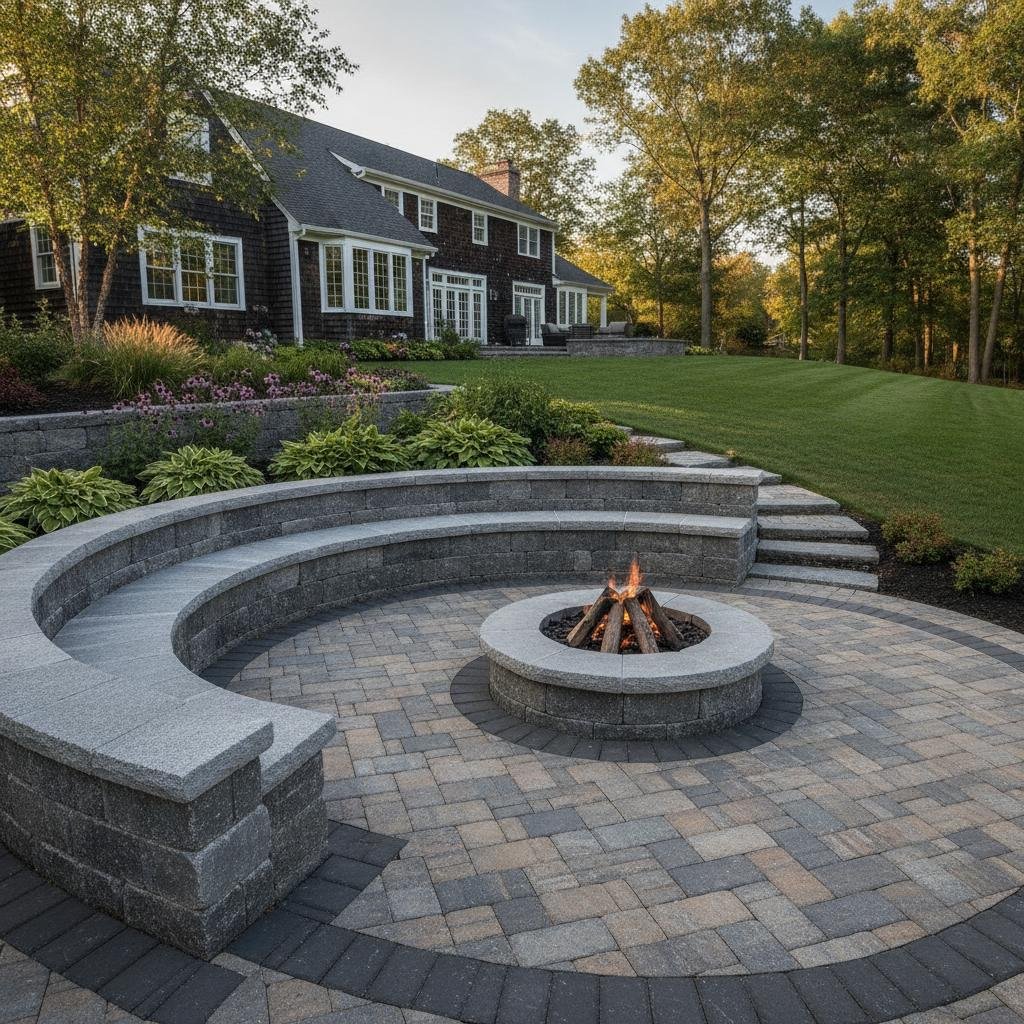
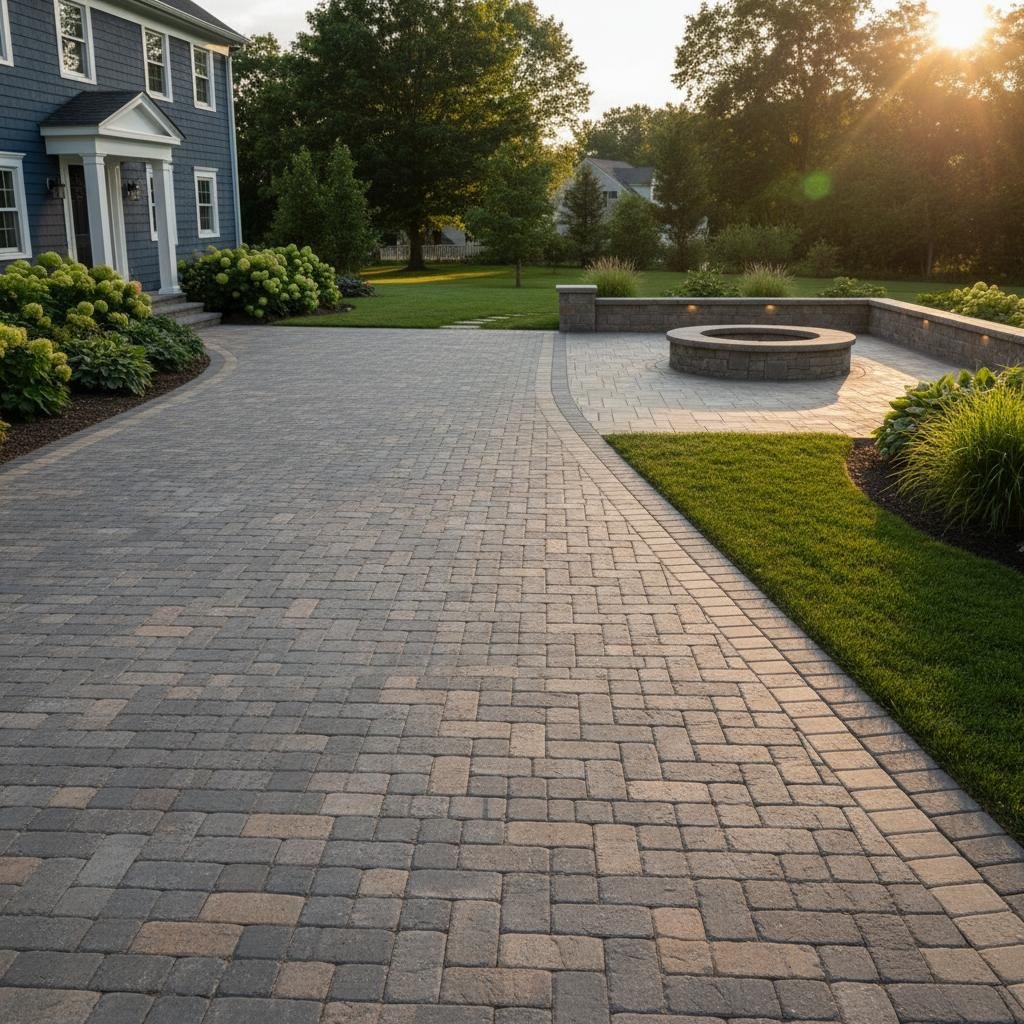
Interlocking concrete blocks are the industry benchmark for durability and cost-efficiency. Engineered systems like Allan Block, Belgard, or Unilock feature built-in pin or lip mechanisms that guarantee consistent setback angles. If you are building a clean, modern structural retaining wall to stabilize a driveway, manufactured blocks offer the best balance of longevity and predictable installation cost.
Natural Fieldstone and Quarry Stone ($60 – $100+ per sq. ft. installed)
For homes with historic charm, authentic stone provides unmatched character. Installing custom natural stone work requires experienced masons who hand-chisel and dry-stack or mortar each piece. The labor is intensive and slow-moving, which drives the overall cost higher than pre-cast block, but the timeless aesthetic fits right into older neighborhoods.
Large Boulders ($45 – $75 per sq. ft. installed)
Stacked boulder walls create a rustic, organic look suitable for sprawling properties. While the boulder materials themselves are relatively affordable, positioning multi-ton rocks requires heavy machinery such as excavators equipped with hydraulic thumbs. Boulder walls work exceptionally well for large hillside drop-offs where an ultra-refined finish is not necessary.
Troy Hillsides vs. Suburban Yards: Why Site Conditions Dictate Price
Geography plays an enormous role in site accessibility and labor expenses across our region. A retaining wall built in downtown Troy or on the bluffs near Mount Ida presents completely different engineering demands than a flat-to-gently-sloping yard in an adjacent suburb.
In Troy, many older residential lots sit on sharp inclines, with tight alleyway access or historic homes built close together. Operating compact excavators on a steep hillside increases labor hours and requires careful erosion mitigation. If a crew must transport hundreds of blocks into a rear yard by hand or with mini-track loaders, labor costs increase accordingly.
By contrast, the average retaining wall price East Greenbush homeowners encounter is often lower per square foot for comparable wall sizes. Suburban properties in East Greenbush, West Sand Lake, or Wynantskill typically feature wider side setbacks, giving large skid steers and dump trucks direct access to the dig site. Easier equipment access means faster excavation, quicker material staging, and fewer billed labor hours.
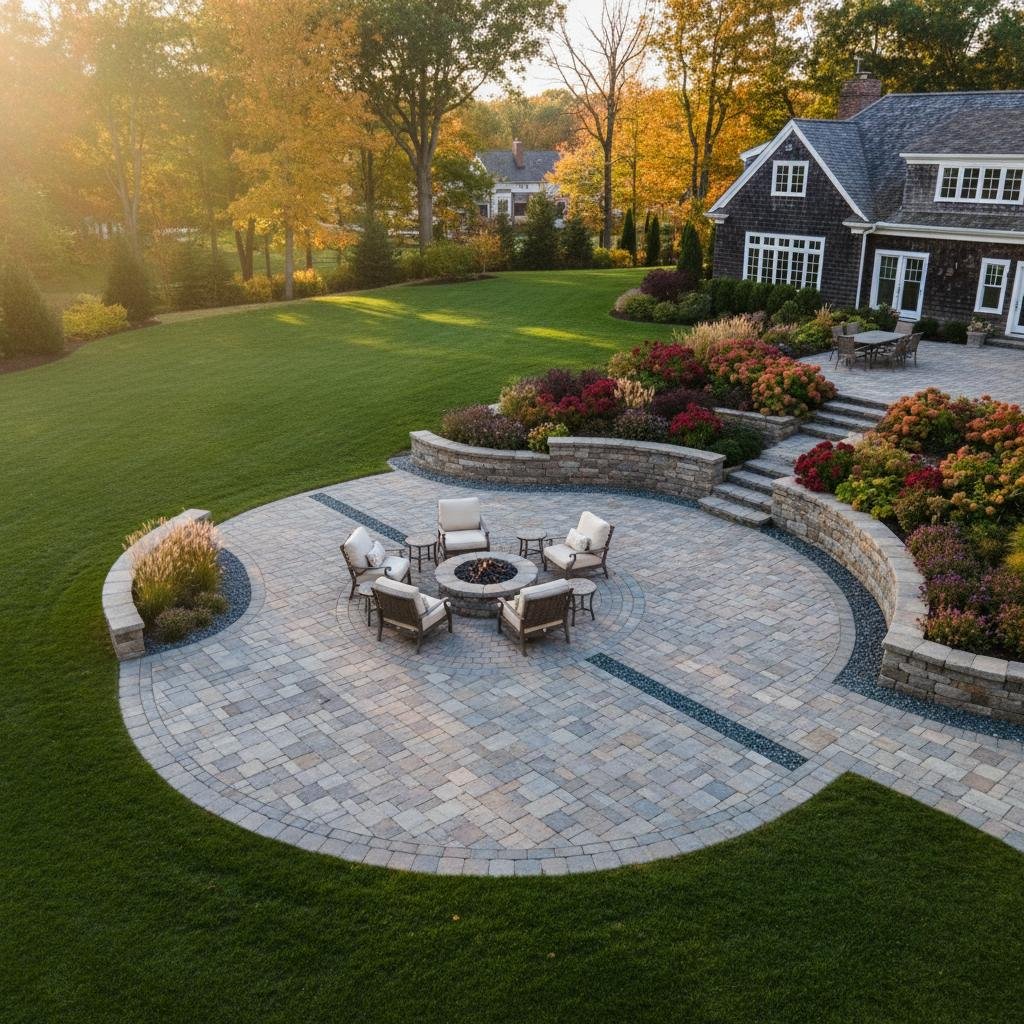
However, suburban installations often feature larger overall footprints. A sprawling suburban lot might need a 60-foot-long curved feature wall, whereas a hillside Troy property might require a compact, highly reinforced 25-foot wall built to prevent mudslides against a walkout basement.
The Critical Hidden Costs: Grading and Drainage
A retaining wall will fail if the soil behind it is not handled correctly. Upstate New York soils contain dense silt and clay that retain massive amounts of water during spring thaws and fall downpours. When saturated soil freezes, it expands with tremendous force—a phenomenon known as frost heave. Preventing wall failure requires two critical construction phases: comprehensive grading and deliberate drainage.
- Proper Grading: Before the first block is set, the slope must be excavated and re-contoured. Rough grading shapes the hill to relieve pressure, while final finish grading ensures surface water flows naturally around the wall rather than cascading over the top caps.
- Crushed Stone Backfill: A minimum of 12 inches of clean, angular crushed stone (such as #2 stone) must be placed directly behind the wall facing. This non-compactible stone creates a void space where water can drain downward quickly.
- Perforated Drain Pipe: Buried at the base of the backfill, a perforated pipe wrapped in geotextile fabric collects descending groundwater and carries it away to a daylight exit point or dry well.
- Geotextile Separation Fabric: Heavy-duty woven fabric keeps clay and topsoil from washing into the drainage gravel, ensuring the drainage system never silts up over time.
Skipping drainage to save $800 to $1,500 during installation is the number one reason retaining walls lean, crack, or collapse within three to five seasons.
Retaining Wall Projects Across the Capital District
Terrain and lot constraints vary widely depending on which side of the Hudson River your property sits:
- Rensselaer: Stabilizing a driveway with a sturdy Rensselaer block wall often involves working around bedrock or existing utility easements, requiring precise trenching.
- Cohoes: Historic elevations along the Mohawk River frequently call for a tailored Cohoes yard wall to carve usable outdoor space from steep drop-offs behind multi-family or historic homes.
- Watervliet: Narrow city lots require compact, highly durable walls that double as property line retainers without encroaching on neighboring structures.
- Wynantskill & West Sand Lake: Rural and semi-rural properties often have sandy loam or glacial till soils, requiring wide foundational bases and thoughtful erosion controls during seasonal runoff.
Adding Value: Terracing and Integrated Steps
When a slope rises more than five feet, building two smaller terraced walls is frequently more economical and visually appealing than erecting a single monolithic wall. Multi-tiered walls distribute soil loads over multiple levels, avoiding the stringent engineering fees and deep footing requirements of towering single structures.
Terraced installations also offer an ideal opportunity to integrate built-in access. Incorporating durable block and stone steps provides safe passage between yard tiers while blending seamlessly with the wall materials. Adding integrated low-voltage lighting inside capstones or along step risers elevates nighttime safety and boosts curb appeal.
Get a Clear, Accurate Estimate for Your Troy Property
Because every yard in Troy and the greater Capital Region carries unique slope angles, access constraints, and soil compositions, an in-person site inspection is the only reliable way to pinpoint your project’s true cost. A seasoned hardscaping professional will measure your elevation changes, evaluate soil stability, identify underground utilities, and calculate exact gravel and backfill tonnage.
If you are ready to stabilize your property, stop soil erosion, or carve out beautiful, flat living space in your yard, contact the team at Eldi Pro Hardscaping. Reach out to us today to schedule an on-site consultation and receive a clear, detailed estimate tailored to your property.