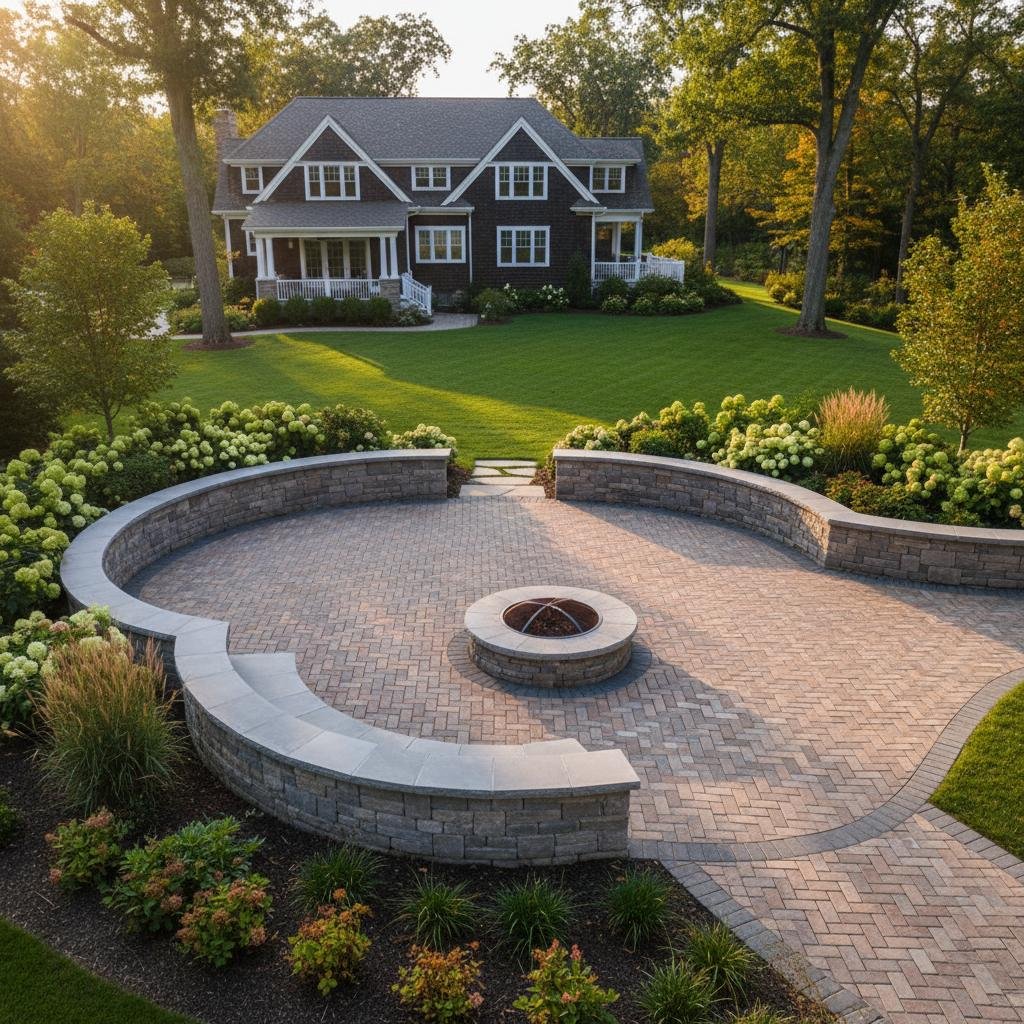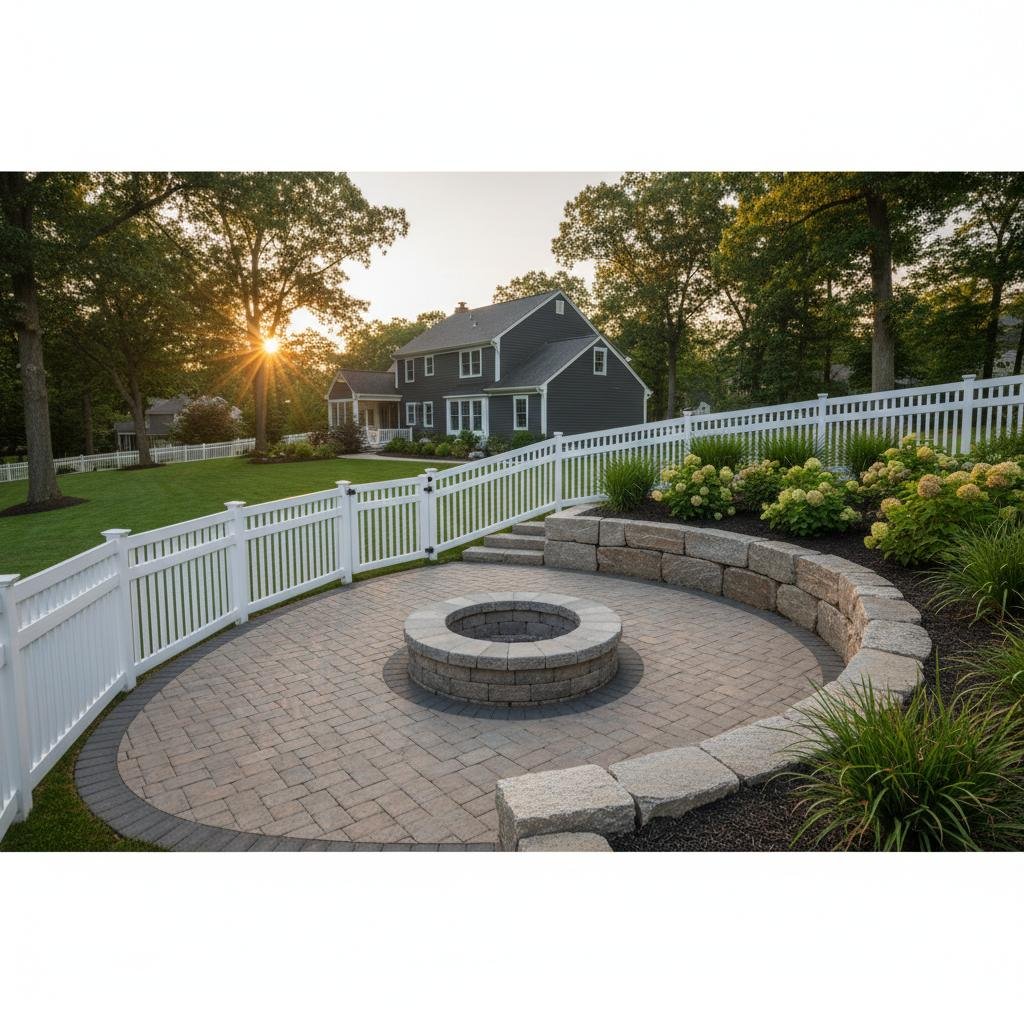

If you are planning to level out a sloped backyard or replace a crumbling timber barrier, understanding your realistic retaining wall cost Schenectady NY homeowners encounter is the first step toward setting an accurate budget. On average, homeowners in Schenectady and surrounding communities spend between $35 and $85 per square face foot for a professionally installed retaining wall. For a typical residential wall measuring 30 to 50 linear feet and standing 3 feet tall (90 to 150 face feet), total project costs generally range from $3,500 to $11,000, with complex structural installations running higher.
Schenectady presents unique landscape challenges that directly influence these numbers. From the historic, narrow lots of the GE Plot and Bellevue to the expansive, glacial-carved grades in Niskayuna and Rotterdam, local terrain dictates everything from machinery access to foundation depth. Here is a clear, transparent breakdown of what retaining walls cost across Schenectady County and how local site conditions shape your final estimate.
Average Retaining Wall Cost Breakdown in Schenectady, NY
Retaining wall estimates are calculated by “face foot”—the height of the exposed wall multiplied by its length. However, that square footage only tells half the story. A durable retaining wall requires extensive below-grade preparation, buried base courses, crushed stone aggregate, and dedicated subterranean water management.
- Small Garden & Planter Walls (Under 2 Feet): $2,000 to $4,500. Ideal for flower beds, tree rings, and minor landscape terrace transitions where intense earth pressure is minimal.
- Standard Yard Retaining Walls (2.5 to 4 Feet): $4,500 to $12,500. The most common height for reclaiming a sloped lawn, supporting a driveway cut, or leveling a walkout patio grade in suburban neighborhoods.
- Structural & Engineered Walls (Over 4 Feet): $12,000 to $30,000+. Walls exceeding 4 feet require structural engineering, geogrid soil reinforcement, deeper footings, and municipal building permits in Schenectady and nearby towns.
Explore our professional retaining wall construction services to see how our team plans, excavates, and builds dependable barriers designed to handle Upstate New York freeze-thaw cycles.
Retaining Wall Material Costs: Concrete Block vs. Natural Stone
The material you choose is one of the most significant budget variables. Each material brings distinct aesthetic advantages, load-bearing capacities, and labor requirements.
Segmental Concrete Blocks ($35 – $65 per face foot installed)
Engineered concrete interlocking blocks are the gold standard for residential retaining walls. Brands like Unilock, Techo-Bloc, and Cambridge manufacture textured, stone-faced blocks that resist moisture absorption and salt damage. Whether you are installing a clean-lined modern planter or a structural Clifton Park block wall to hold back a steep embankment, concrete segmental blocks offer the most consistent pricing and longest structural warranties.
Natural Stone Walls ($55 – $110+ per face foot installed)
For historic homes in the GE Historic District or rustic properties in Glenville and Ballston Lake, genuine fieldstone, granite, or bluestone offers timeless visual character. However, building with real stone is labor-intensive. Every stone must be hand-sorted, chiseled, and dry-stacked or mortared by skilled masons. Investing in authentic natural stone hardscaping commands a premium due to material quarrying, heavy hauling, and extended installation timeframes.
Timber Walls ($25 – $40 per face foot installed)
Pressure-treated railroad ties or 6×6 timbers appear affordable upfront, but they have a finite lifespan in our wet, freezing climate. Schenectady soils stay saturated during spring snowmelts, accelerating wood rot. Most homeowners find timber walls need total replacement within 12 to 18 years, making concrete block or natural stone significantly cheaper on a 30-year lifecycle basis.
Schenectady-Specific Cost Factors: Slopes, Soils, and Neighborhoods
Hardscaping quotes in our region vary widely based on where you live and the exact conditions of your yard. When comparing a typical retaining wall price Niskayuna project against a compact urban backyard in downtown Schenectady, contractors must account for several local hurdles:
1. Older Neighborhoods and Tight Equipment Access
In older, densely settled neighborhoods like Woodlawn, Mount Pleasant, and the Stockade, properties often feature narrow side yards, overhead utility lines, and mature tree roots. If our mini-excavators or track loaders cannot access the build area through a wide gate, crews must move base stone, backfill gravel, and hundreds of heavy blocks by hand or wheelbarrow. Hand-labor access can add 15% to 30% to total labor costs.
2. Glacial Till, Silt, and Rotterdam Yard Wall Grading
The geology between Rotterdam and Glenville varies dramatically, ranging from sandy loam near the Mohawk River to heavy clay and dense glacial hardpan along the hillsides. Retaining walls fail when soil behind them becomes saturated, exerting hydrostatic pressure. Building a stable Rotterdam yard wall frequently requires machine grading to reshape the upslope, along with extensive perforated drainage pipes wrapped in non-woven geotextile fabric.
3. Integrated Drainage and Water Runoff
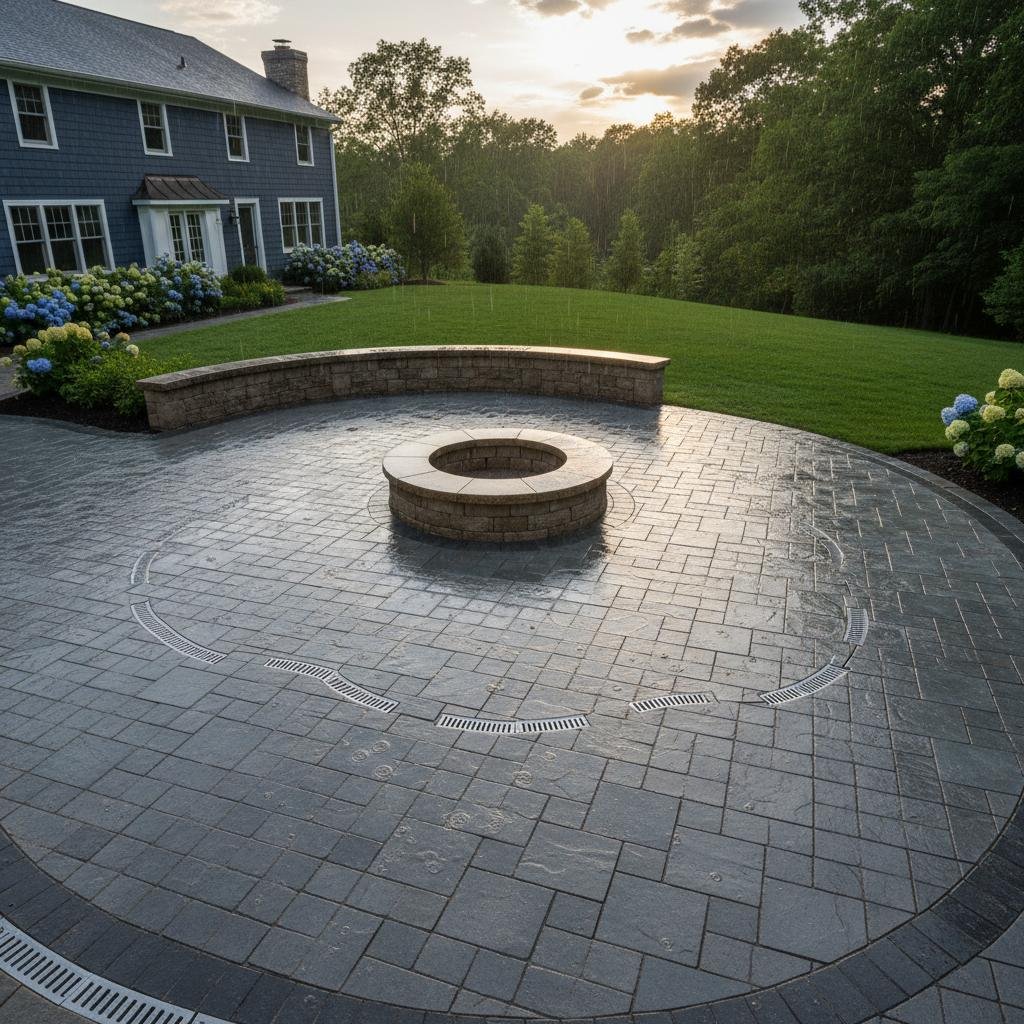
A retaining wall is fundamentally a drainage structure that happens to look attractive. In our Capital Region climate, water behind a wall freezes solid in January and February, expanding with tremendous force. Professional wall installation includes at least 12 inches of clean washed angular gravel directly behind the blocks, a 4-inch perforated drain tile daylighted to a safe discharge point, and soil separation fabric. Budgeting an extra $500 to $1,800 for comprehensive yard drainage prevents frost heave and guarantees your wall remains plumb for decades.
Integrating Steps and Multi-Tiered Terraces
Many Schenectady properties feature slopes too steep for a single wall. Building one 7-foot wall is dramatically more expensive than constructing two 3.5-foot terraced walls because a 7-foot wall demands stamped engineered plans, structural geogrid ties, and massive base preparation. Terracing creates usable planting beds and dramatically improves curb appeal.
If your project involves transitioning between different yard elevations or connecting a patio to an upper lawn in Burnt Hills or Ballston Lake, integrating steps directly into the wall face is standard practice. You can learn more about matching masonry staircases on our block and stone steps service page.
How to Plan Your Retaining Wall Budget: GetClearCost + 1 Formula
To accurately anticipate your total investment before contractors arrive for an on-site consultation, use the clear budgeting framework:
- Base Footprint Cost: Multiply your estimated wall length by height to get total face square feet, then multiply by $50 (mid-range block average). Example: 40 feet long x 3 feet high = 120 sq. ft. x $50 = $6,000.
- Access & Soil Removal: Add $800 to $2,000 if your yard has tight gate clearances, requires concrete patio tear-out, or needs multiple dump truck loads of heavy soil hauled off-site.
- Drainage & Grading: Add $1,000 to $2,500 for slope regrading, catch basins, and swales to divert roof or surface water away from the wall.
- The “+1” Contingency: Add 10% to 15% to your base calculation for hidden underground discoveries, such as buried tree stumps, hidden boulders, or deteriorated clay utility lines that require rerouting during excavation.
Transform Your Sloped Schenectady Yard with Eldi Landscaping
Whether you need an engineered barrier along a steep hillside in Glenville, a clean terraced planter in Niskayuna, or a sturdy stone wall to level a backyard in downtown Schenectady, precision installation is the key to lifetime performance. At Eldi Landscaping, we engineer every wall with deep, compacted gravel footings, premium aggregate backfill, and dependable drainage systems tailored to Upstate New York soil conditions.
Ready to level your yard and protect your landscape? Contact Eldi Landscaping today to schedule an on-site assessment and receive a detailed, transparent retaining wall estimate.